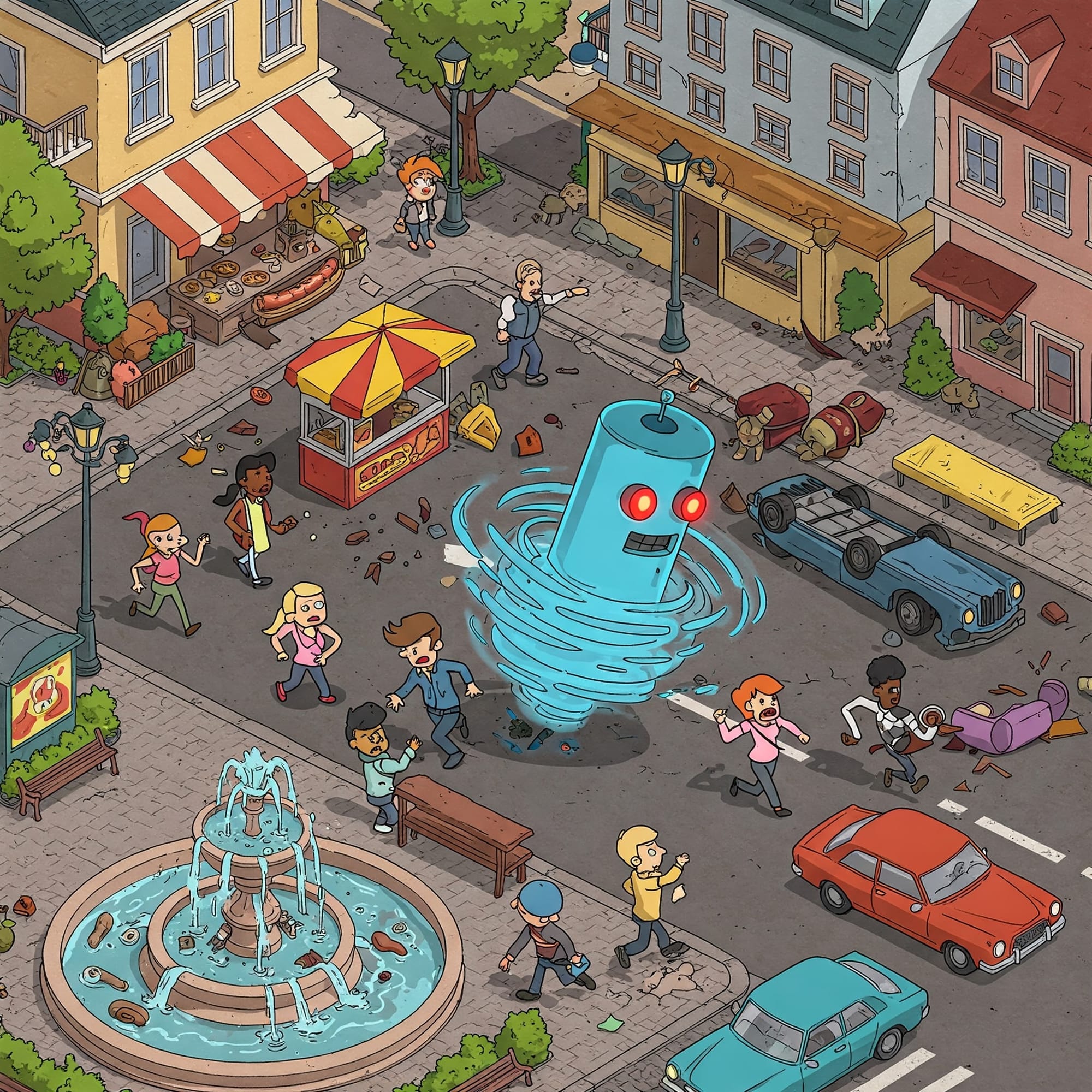
When an AI system injures a lot of people, what will the lawsuits look like?
As we get into the swing of a new year, we find ourselves in the midst of another flurry of legislative activity around AI. For years, a lot of conversation has focused on what kinds of laws we need to pass to regulate AI—do we need new laws, and what should those new laws say?
Those are important questions. But we also are finding out that, regardless of the state of the law, the lawsuits are already here. And that means a whole different set of questions—about how suing people over AI is going to work. Who can sue whom? Over what? What will it take to prove a case? What kind of remedies are on the table? These questions are part of the debate over how we should regulate AI, and have arisen in various ways in debates over legislation so far. But they also can take on a life of their own, especially as litigation springs up that forces courts to manage these issues before legislators or regulators proactively address them. Part of what I hope to do sometimes on this blog is highlight the world of AI litigation alongside questions of AI policy—because litigation is going to be an important part of the policy picture.